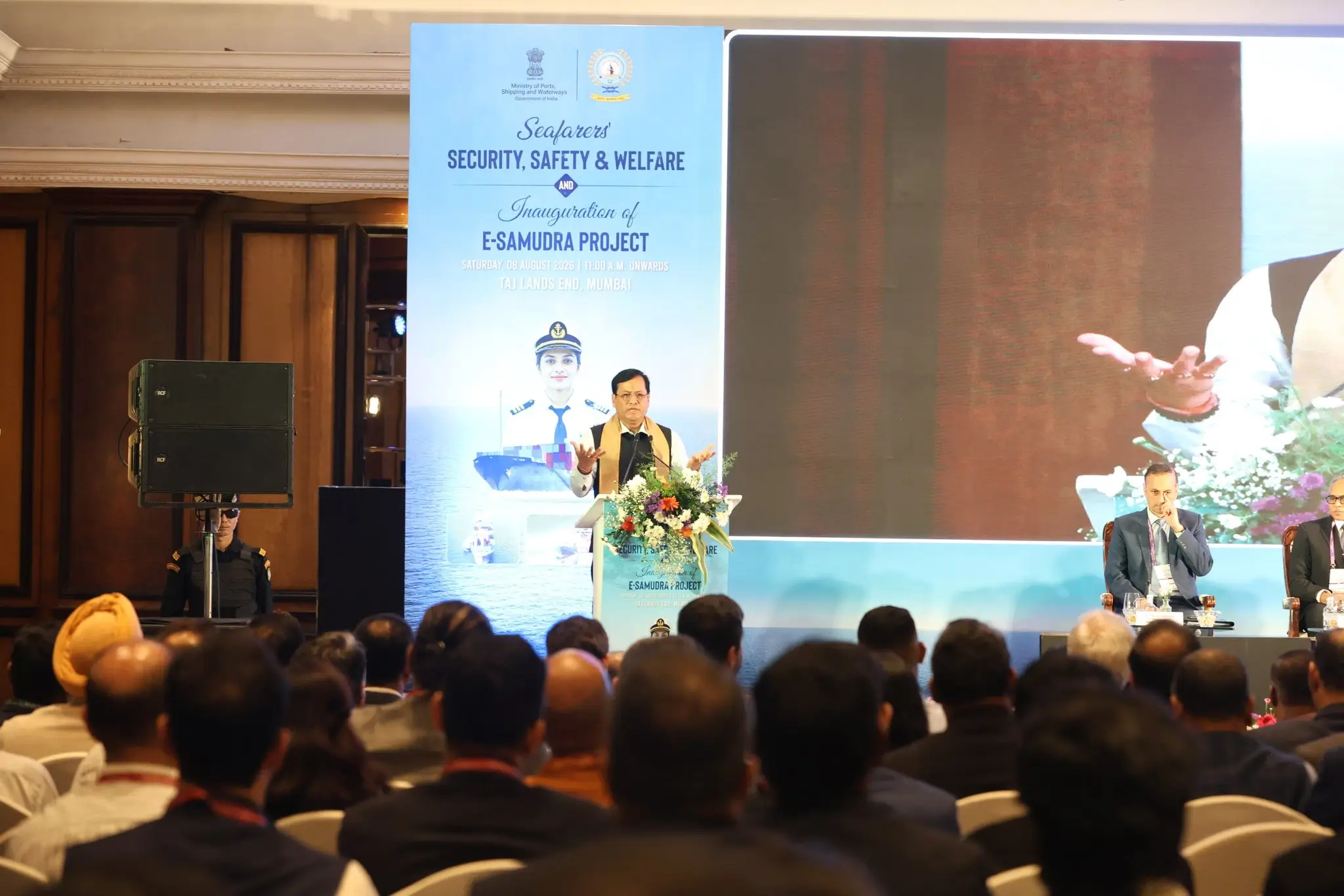
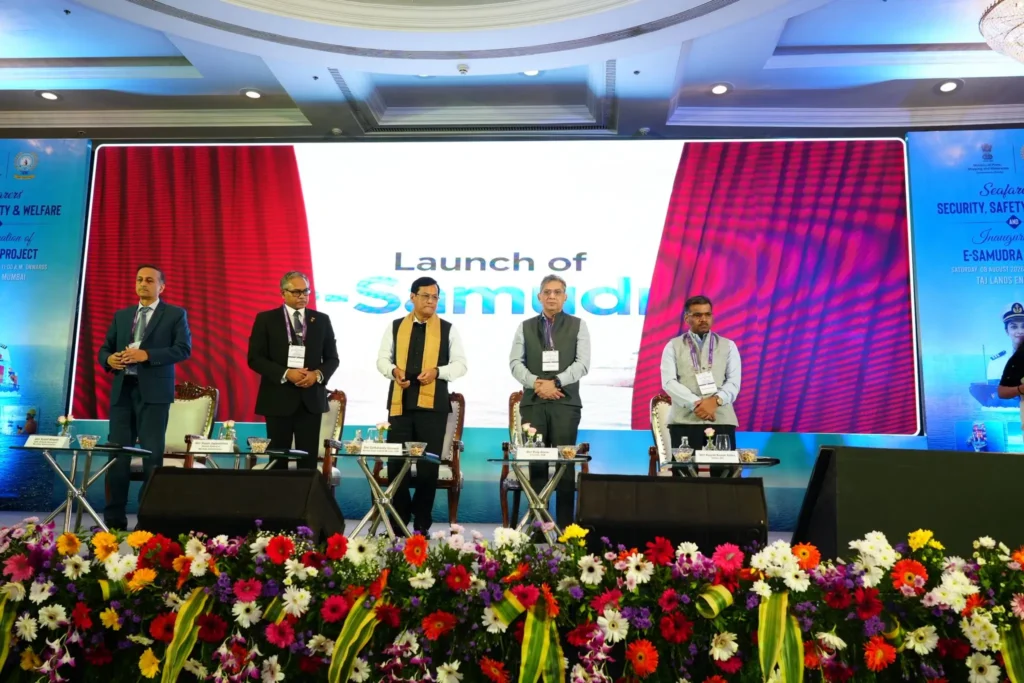
India has taken another major step towards building a modern and digitally connected maritime sector with the launch of E-Samudra, a comprehensive digital platform designed to simplify maritime governance and improve services for Indian seafarers, shipping companies, ports, recruitment agencies, maritime institutes, and other stakeholders. The initiative reflects the government’s growing focus on maritime governance through digital transformation while reinforcing its commitment to seafarer welfare, security, and ease of doing business.
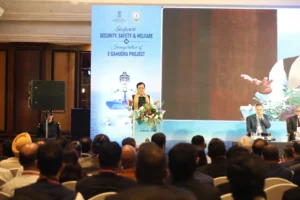
The platform was launched by Union Minister for Ports, Shipping and Waterways, Sarbananda Sonowal, during the national stakeholder interaction on “Seafarer Security, Safety and Welfare and Inauguration of E-Samudra”, organised by the Directorate General of Maritime Administration (DGMA) in Mumbai.
The launch represents more than just the introduction of a digital portal. It signals India’s broader vision of creating a transparent, technology-driven maritime administration that provides faster services, reduces paperwork, strengthens welfare measures, and makes government services easily accessible to seafarers regardless of where they are in the world.
E-Samudra Brings Maritime Services Under One Digital Platform
The newly launched E-Samudra platform has been developed as a single-window digital ecosystem that integrates multiple maritime services into one online portal. Instead of approaching different offices for different services, stakeholders will now be able to access several government services through a unified platform.
According to the Ministry, the platform will provide end-to-end digital workflows, online payment facilities, real-time application tracking, and digitally issued certificates. By bringing multiple services together, the government aims to improve transparency, reduce administrative delays, and make regulatory processes more predictable and time-bound.
Speaking during the launch, Secretary, Ministry of Ports, Shipping and Waterways, Vijay Kumar, said that the objective is not merely to digitise existing processes but to redesign them to make maritime governance more efficient and citizen-friendly.
The platform supports the government’s larger goal of improving both the Ease of Living for seafarers and the Ease of Doing Business for India’s maritime industry.
Government Places Seafarers at the Centre of Maritime Growth
Addressing the gathering, Sarbananda Sonowal emphasised that India’s maritime transformation is being guided by Maritime India Vision 2030 and Maritime Amrit Kaal Vision 2047, with seafarers playing a central role in achieving these long-term goals.
He stated that every Indian seafarer deserves to work in a safe, secure, and respectful environment while contributing to the country’s growing maritime strength.
According to the Minister, the government’s commitment extends beyond infrastructure development. Equal importance is being given to improving the lives of the people who power India’s maritime sector every day.
Sonowal described E-Samudra as a significant step towards making maritime governance simpler, more transparent, and stakeholder-centric.
He noted that technology becomes meaningful only when it improves people’s lives, adding that the new platform will deliver easier access to government services while reducing unnecessary procedures for maritime stakeholders.
India’s Maritime Sector Continues to Expand Rapidly
During the programme, the Minister highlighted India’s growing position in the global maritime industry.
He noted that India has now become the second-largest supplier of seafarers in the world and expressed confidence that the country would soon emerge as the world’s largest supplier of skilled maritime professionals.
He also highlighted India’s emergence as the world’s leading ship recycling destination and reiterated the government’s ambition of placing India among the top five global shipbuilding nations in the coming years.
These developments, according to the Ministry, make it increasingly important to modernise maritime administration and improve service delivery for the country’s expanding maritime workforce.
Digital Governance Replaces Traditional Office-Based Administration
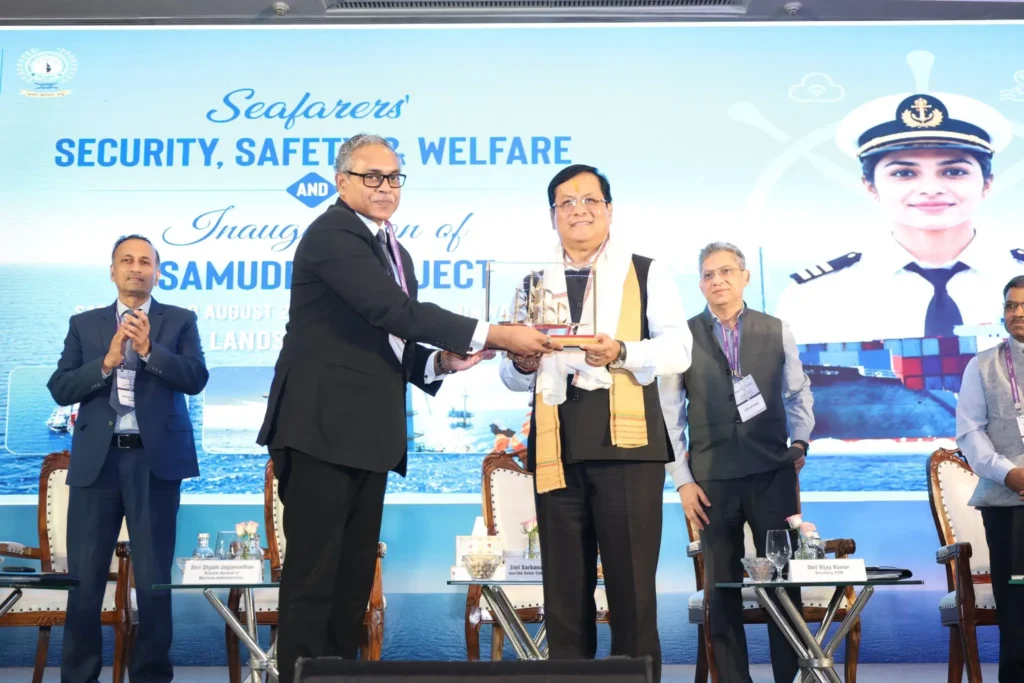
Director General of Maritime Administration, Shyam Jagannathan, described E-Samudra as a transformational initiative that shifts maritime administration from traditional office-based systems to a Digital First and Faceless Governance model.
He explained that the platform creates an integrated digital ecosystem where a seafarer onboard a vessel can access government services just as easily as someone working from an office onshore.
This digital-first approach is expected to reduce dependency on physical visits, minimise paperwork, speed up approvals, and improve accessibility for Indian seafarers serving around the world.
Several New Digital Initiatives Introduced Alongside E-Samudra
The launch of E-Samudra was accompanied by several complementary initiatives aimed at strengthening maritime administration and improving seafarer welfare.
Among these initiatives are:
- e-NAVIK, a 24×7 grievance redressal system that allows seafarers to raise issues and seek assistance at any time.
- The upcoming Seafarer Tracking Dashboard, designed to improve monitoring and support services.
- The Digital Seafarers Employment Agreement (d-SEA), which aims to simplify employment documentation through digital processes.
- Enhanced welfare initiatives under the Seafarers Welfare Fund Society (SWFS).
Together, these initiatives are expected to strengthen digital maritime services while making regulatory processes faster, more transparent, and more accessible.
Maritime Policies Supporting India’s Digital Transformation
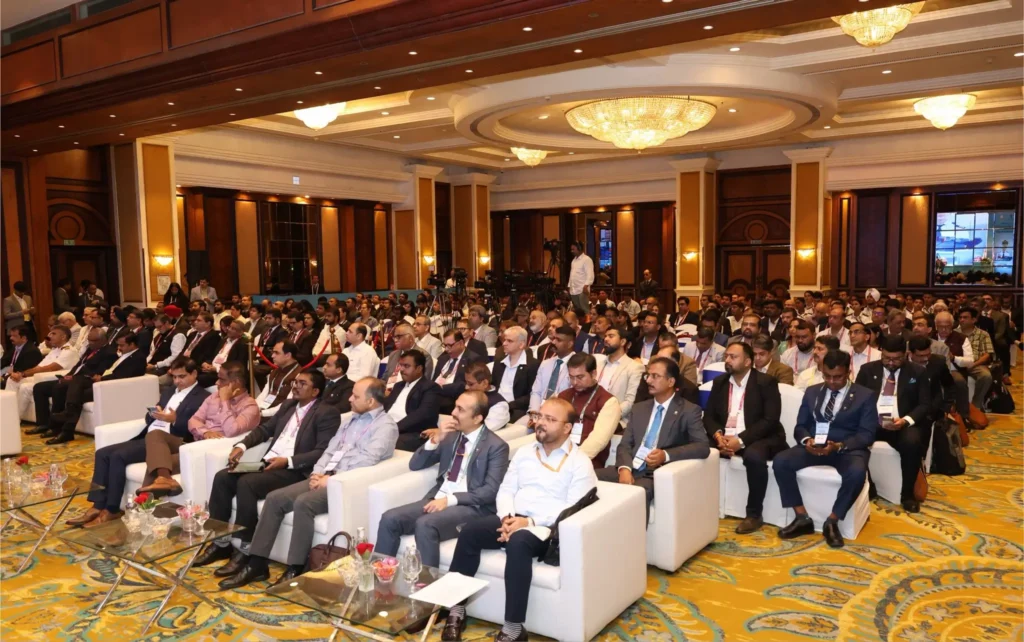
During the event, Vijay Kumar explained that India’s maritime policy is now built around three major pillars.
These include:
- The Merchant Shipping Act, 2025, which recognises seafarers as Key Workers.
- The Maritime Amrit Kaal Vision 2047, which outlines India’s long-term maritime development strategy.
- The governance principle of Minimum Government, Maximum Governance, focusing on efficiency and transparency.
These policy initiatives collectively support the government’s efforts to modernise maritime governance through technology and regulatory reforms.
Growing Seafarer Workforce Drives Need for Better Services
The Ministry also highlighted the remarkable growth of India’s seafaring workforce over the past decade.
India’s active seafarer population has increased from approximately 1.03 lakh in 2013 to more than 3.23 lakh in 2025.
This rapid expansion has created a greater need for efficient digital services, stronger regulatory systems, and improved welfare programmes capable of serving a much larger maritime workforce.
The launch of E-Samudra directly addresses these growing requirements.
Government Highlights Support During Global Shipping Disruptions
The event also showcased the efforts made by the Directorate General of Maritime Administration (DGMA) during recent geopolitical disruptions that affected international shipping.
According to the Ministry, DGMA:
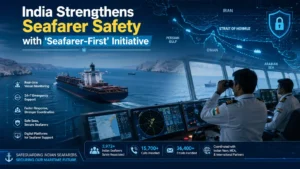
- Monitored more than 16,000 calls
- Managed over 40,000 communications
- Coordinated the safe repatriation of more than 4,000 stranded Indian seafarers
These efforts were carried out in coordination with the Ministry of External Affairs, Indian diplomatic missions, the Indian Navy, shipowners, and various maritime stakeholders.
The response demonstrated the government’s ability to coordinate across multiple agencies during global emergencies affecting Indian seafarers.
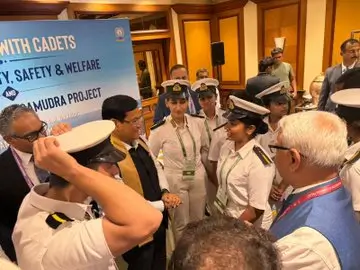
Greater Focus on Wellbeing and Women Seafarers
Apart from digital initiatives, the programme also highlighted efforts to improve the overall wellbeing of Indian seafarers.
The Sagar Mein Yog initiative promotes the physical and mental health of seafarers, recognising the demanding nature of life at sea.
Meanwhile, Sagar Mein Samman focuses on creating better opportunities and support systems for women working in the maritime sector.
Officials noted that the number of women seafarers has grown significantly in recent years, reflecting increasing diversity and inclusivity within India’s maritime workforce.
Interaction with Maritime Stakeholders
During the programme, Sarbananda Sonowal interacted with representatives from recruitment and placement agencies, maritime institutes, shipowners, cadets, maritime professionals, and industry stakeholders.
Discussions covered recruitment practices, employment opportunities, regulatory compliance, welfare measures, and career development.
The Minister encouraged young seafarers to uphold the values of professionalism, safety, continuous learning, and dignity while assuring them of the government’s continued support throughout their careers.
Also read: Union Budget 2026 Accelerates Gujarat’s Maritime Growth
Conclusion
The launch of E-Samudra marks an important milestone in India’s ongoing digital transformation of the maritime sector. By bringing multiple services under a single digital platform, strengthening seafarer welfare, improving transparency, and introducing citizen-centric governance, the government aims to create a more efficient maritime administration for the future.
Combined with new digital initiatives, welfare programmes, and supportive policy reforms, E-Samudra is expected to simplify service delivery, reduce compliance burdens, and strengthen India’s position as one of the world’s leading maritime nations while placing Indian seafarers firmly at the centre of this transformation.
Source: Press Information Bureau (PIB)